TL;DR
The University of Vermont landed the largest research award in its history — up to $38 million from ARPA-H — to build AI-powered “digital twins” of critically ill patients. The ReSCUED project will model each patient’s immune response in real time, so doctors can test treatments on the virtual copy before giving them to the person in the bed.
The problem: an immune system in free fall
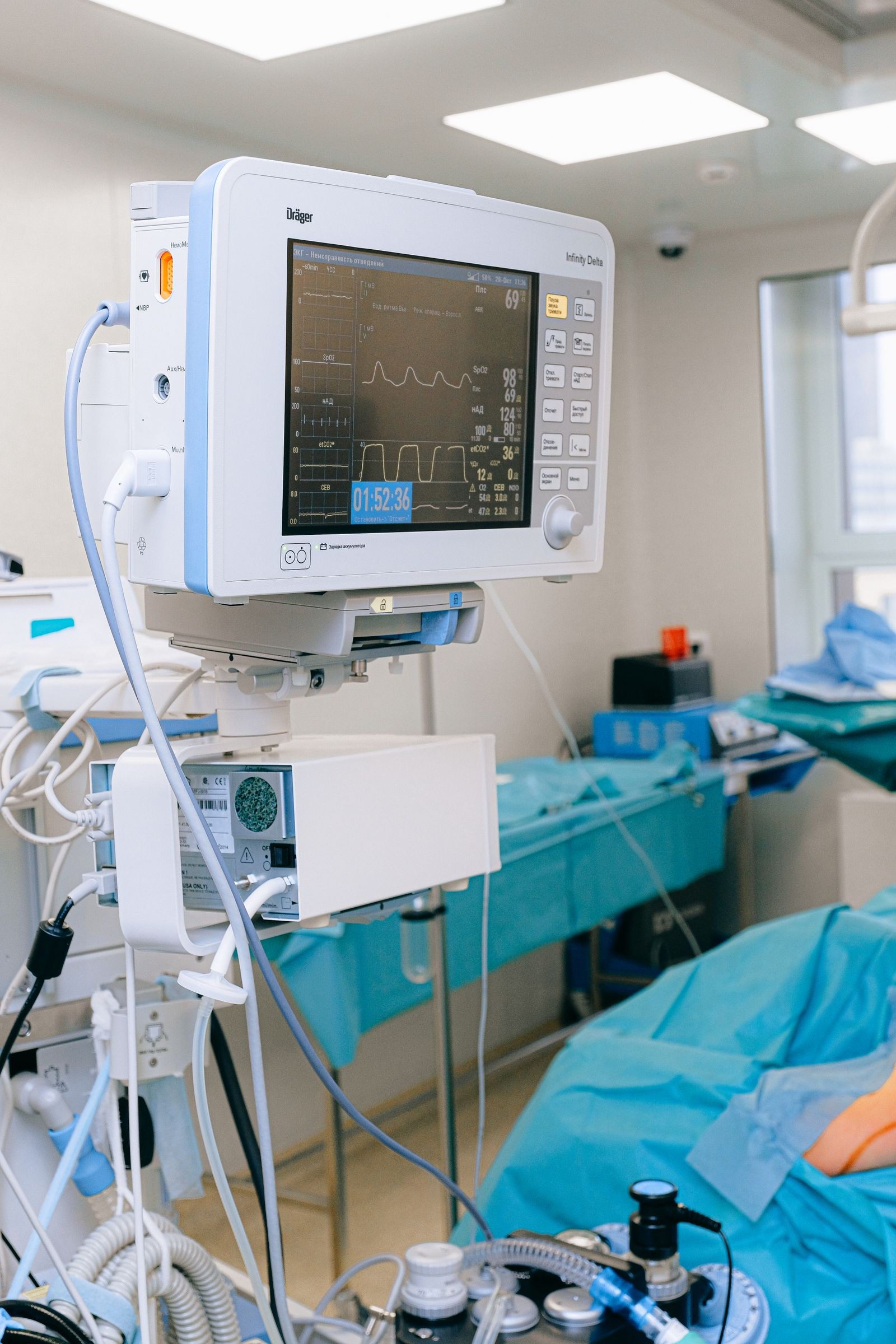
ICUs are full of patients whose bodies can’t get out of the immune-dysfunction hole, as project lead Gary An puts it. Sepsis — a toxic, whole-body inflammation triggered by infection — sends thousands to ICUs every day, and once organ support like ventilators and dialysis is keeping someone alive, clinicians are essentially flying blind on how to fix the underlying immune chaos.
“Sepsis is a huge health care problem, and one that will only get bigger as the population gets older and we get better at keeping people alive,” said An, a trauma surgeon and researcher at UVM’s Larner College of Medicine. “The multidimensional dynamics of immune dysfunction is too complex for a person, even an expert, to comprehend. But we can train a computational model to do that.”
The scale of the bet: 4.6 million Americans are treated in ICUs each year at a cost of up to $70 billion annually, according to the university.
The plan: a twin you can experiment on
ReSCUED — Reprogramming Severe Critical Illness Using Extensible Digital Twins — will draw a patient’s blood every six hours, measure the critical cells, proteins, and molecules driving their immune response, and feed that data into a patient-specific computational model. As the patient’s condition changes, the twin refines its forecast of where the illness is headed.
Doctors could then evaluate treatment strategies using FDA-approved medications on the twin before administering anything to the real patient. The team is also training an AI-based “virtual consultant” that analyzes the complex biological interactions and suggests intervention strategies tailored to the individual — drug choices, timing, and all.
“The complexity of critical illness exceeds what any individual can interpret in real time,” An said. “Our goal is to give clinicians a more precise understanding of what is happening within an individual patient and provide information that could help them select the right treatment at the right time.”
The $38M, five-year, milestone-gated bet
The contract is the largest research award in UVM history, funded through ARPA-H’s CIRCLE program (Critical Illness Immunological Reprogramming and Control Point Learning Engine). It’s milestone-based: the first three years go to building and validating the twin and proving it can predict outcomes computationally. Only if those gates are cleared does the work move toward additional experimental settings and, eventually, clinical trials.
Patient data will be collected at three clinical sites — Wake Forest, the University of Alabama at Birmingham, and Washington University School of Medicine — while UVM’s team builds the models. Two private-sector partners supply the hardware: the DNA Medicine Institute’s bedside molecular testing platform, originally developed for the International Space Station, and InflammaSense’s wearable monitors that track activity in the vagus nerve, a key regulator of inflammation.
If it works, researchers believe the technology could cut ICU length of stay by at least 25 percent — and lay the groundwork for personalized treatment anywhere patients respond differently to the same therapy.