Edited by Paul Derrington, Chief Editor
TL;DR
The UK government is setting up the AI Biosecurity Lab, a new independent non-profit that will use frontier AI to spot biological threats earlier and speed up vaccines and treatments. The government is putting in £100 million, and OpenAI and Anthropic are adding up to £200 million in model credits — not cash. The government calls it the world’s first dedicated AI biosecurity organisation, and the details of how it will actually run are still to come.
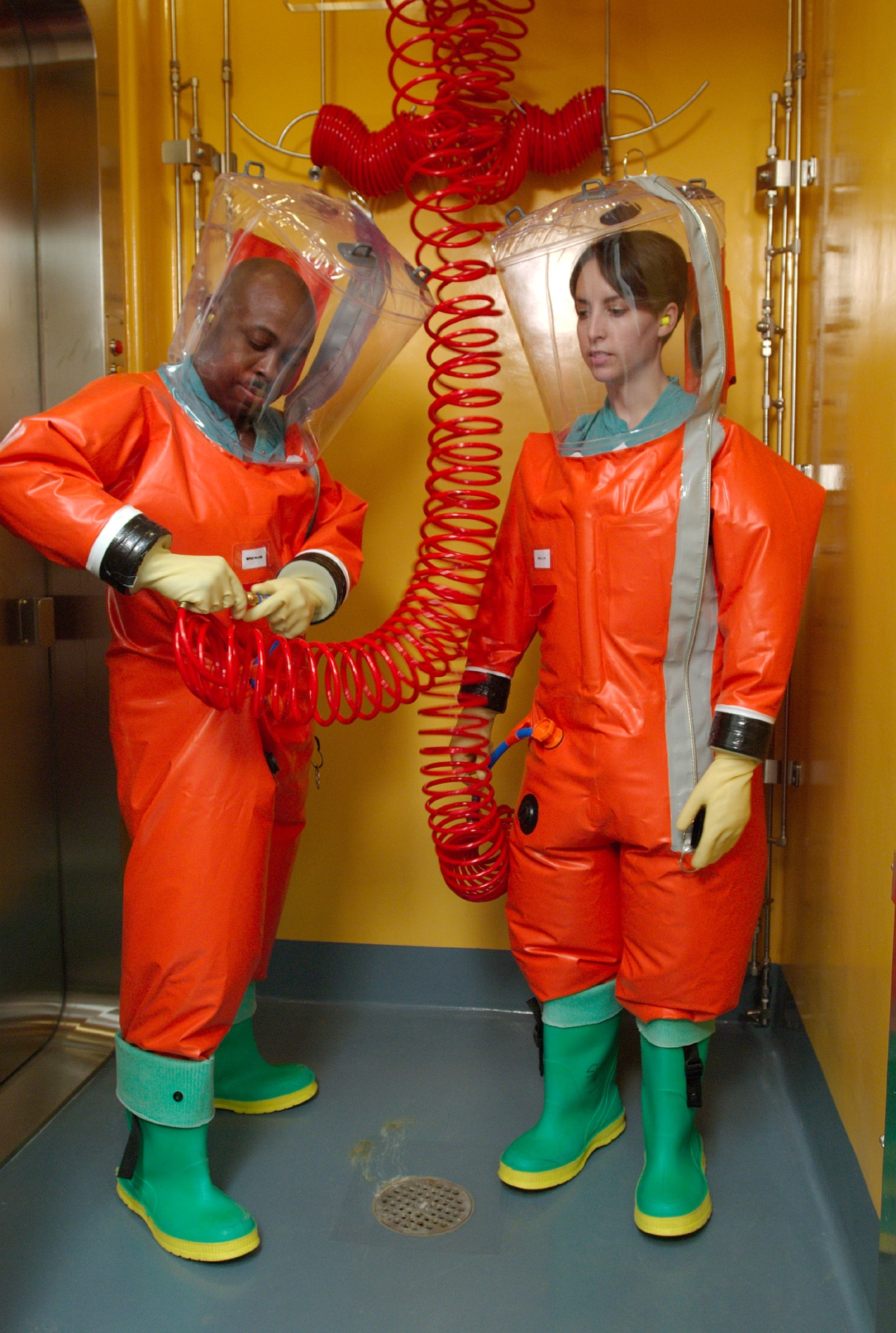
What was announced
The Cabinet Office announced the AI Biosecurity Lab (AIBL) on October 24, calling it the world’s first dedicated AI biosecurity organisation. It sits inside a new National AI Biosecurity Initiative and will be an independent, non-profit body. The government says it will attract top technical talent and operate with enough autonomy to move quickly, as the AI Security Institute does, and will be supported by a scientific advisory committee drawn from academia, industry, and the third sector.
The announcement comes ahead of Wednesday’s Budget, where the Chancellor, John Healey, is due to set out the government’s wider AI package. In the announcement, AI Minister Kanishka Narayan said the lab “will be a major new global institution, bringing together world-leading scientific expertise to protect people from emerging biological threats”. That is the government’s own description, not our assessment.
How the funding breaks down
The announced total is up to £300 million: £100 million of government funding and up to £200 million in commitments from two companies, given as compute and model credits, trusted model access and technical support. OpenAI will provide £100 million in compute and model credits plus trusted access to its most capable relevant models through its Rosalind Biodefense programme (OpenAI’s programme for sponsoring trusted access to its GPT-Rosalind life-sciences model, per OpenAI). Anthropic will provide up to £100 million in model credits, trusted model access, and dedicated technical support.
Google DeepMind and UK AI life-sciences firm Basecamp Research are also partnering on research, with no money figure attached: DeepMind will look to provide trusted access to Gemini and specialised science models, and Basecamp will offer its AI-biology models and expertise. The company contributions are credits, access and technical support rather than cash, so they are a different kind of resource from the government’s £100 million.
What it will do first
The mission, per the government, is to strengthen biosecurity by harnessing frontier AI — bringing AI and biology talent together to build practical tools that help the UK understand, prevent, detect, and respond to biological threats. The first two jobs are concrete: detect emerging biological threats earlier, and accelerate the development of vaccines, treatments, and other medical countermeasures.
It will not work alone. AIBL launches alongside the UK Health Security Agency, the Animal and Plant Health Agency, and the Defence Science and Technology Laboratory, and will work with the medicines regulator (MHRA) to prepare for health emergencies and inform the regulation of AI-designed medicines. The government’s own framing for why this is needed cuts both ways: AI can accelerate research and disease understanding, but increasingly capable systems also create new biological risks and could lower the barriers to harmful activity.
What is still missing
This is an announcement, not a running lab. The BBC reports that the full details of the lab’s role and remit are yet to emerge, and the government says further details on the scientific advisory committee will be set out in due course. The announcement names no director, location, or start date.
Watch three things: what timetable the Budget sets for the £100 million; whether the model credits turn into sustained access or a one-off allocation; and whether the lab publishes measurable results — threats detected, countermeasures accelerated. The same package includes £165 million for the National AI Biosecurity Initiative (which includes the £100 million for the lab and £65 million for bio surveillance and medical countermeasures) and an additional £120 million for the AI Security Institute, according to GOV.UK.