Edited by Paul Derrington, Chief Editor
TL;DR
Texas Attorney General Ken Paxton sued OpenAI and CEO Sam Altman on October 23, 2026, accusing them of marketing ChatGPT as safe and reliable while failing to protect Texans, including children. The 67-page petition, filed in Collin County District Court, asks a court to bar ChatGPT for minors in Texas and to require a court-approved independent evaluator to sign off on new models before Texans can use them. OpenAI says it has worked with experts to mitigate risks and wants to work with Texas and other states on AI policy. These are allegations in a lawsuit, not findings by a court, and the filing itself does not change ChatGPT’s availability in Texas.
What Texas filed
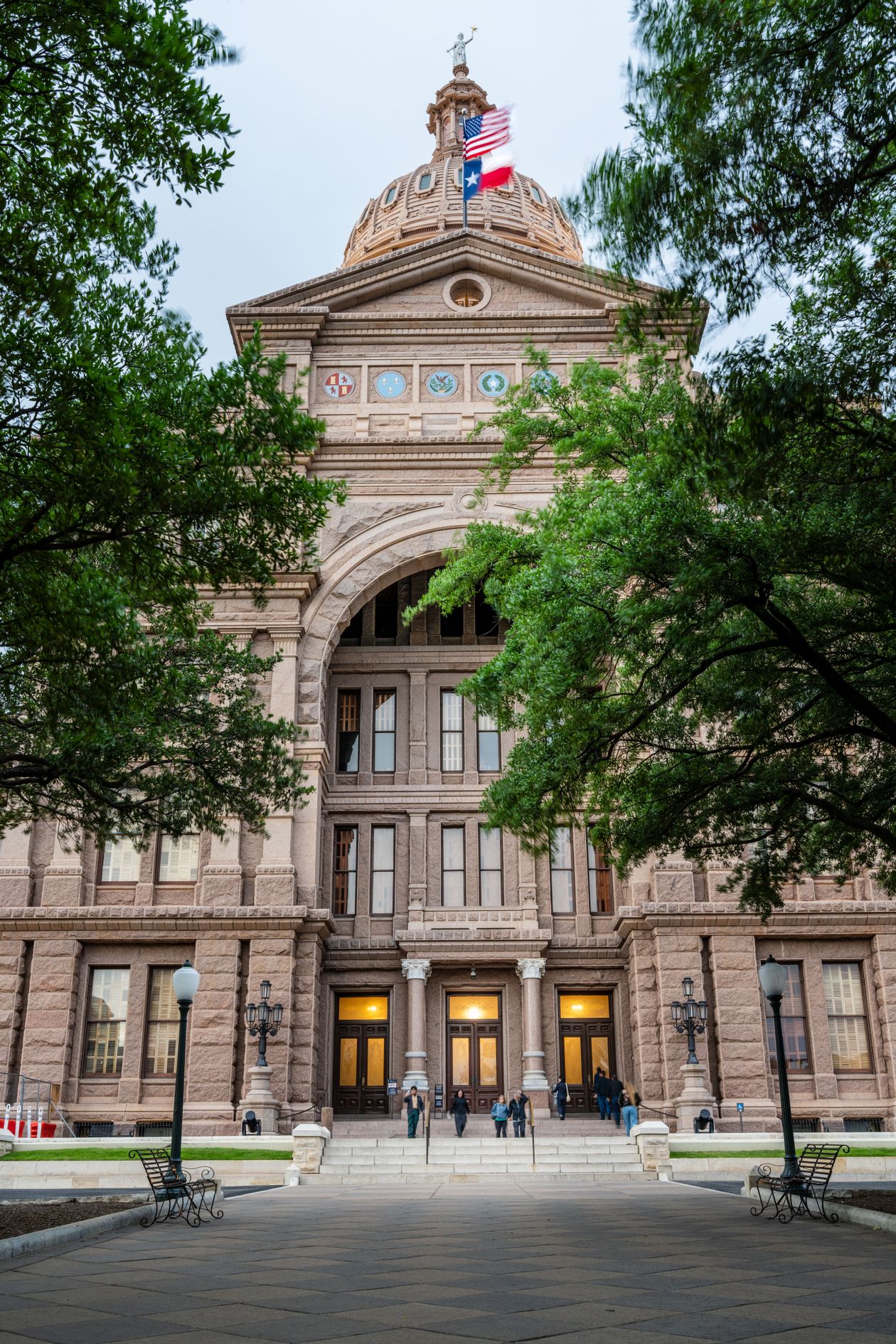
Attorney General Ken Paxton filed the suit on October 23, 2026, in Collin County District Court, naming OpenAI Global, LLC, five other OpenAI entities, and CEO Sam Altman as an individual defendant. The petition brings claims under the Texas Deceptive Trade Practices–Consumer Protection Act and the Securing Children Online through Parental Empowerment Act, or SCOPE Act, which governs how digital services handle minors and parental controls. The attorney general’s release mentions only the first statute; the petition also invokes the SCOPE Act.
The attorney general’s office says that, despite marketing ChatGPT as a safe and reliable tool, OpenAI failed to protect Texans, including children, and acted despite knowing the dangers. The release lists these alleged harms, in wording that closely tracks the opening of the petition and of Florida’s June complaint against OpenAI: “Mass shooters have been aided and abetted in deadly rampages, vulnerable people have been encouraged into suicide, professionals have suffered public humiliation, users have lost critical thinking skills, and minors have become addicted to a tool that fakes human compassion to collect their data with no parental oversight.” Paxton said: “With the rapid advancement of AI technology, OpenAI has the responsibility to protect users and warn them of the many dangers of its platform. I will fight to protect Texans from the harms of AI and ensure that powerful technology companies are not above the law.”
What Texas wants the court to order
The petition asks the court to temporarily and permanently enjoin OpenAI from a list of practices; it lists fourteen. Two stand out: offering ChatGPT to minors in Texas, and releasing any new AI model to Texas users unless an independent third-party evaluator, approved by the court, has reviewed its safety guardrails and approved its release.
On money, Texas seeks civil penalties of $10,000 per alleged violation, plus disgorgement, interest, costs, and attorney fees. The petition states the state seeks more than $1 million in monetary relief, and requests a jury trial. The petition also alleges that Altman personally directed the design, development, safety policies, and deployment of ChatGPT as used in Texas, and asks that he be held personally liable.
OpenAI’s response — and what is not decided
An OpenAI spokesperson told the Texas Tribune the company has worked with experts to mitigate risks and build additional safeguards, and said: “Governments have an important role to play in setting robust safety standards for AI, and we’re committed to working with Texas and other states on advancing pragmatic AI policies that apply to the entire AI industry — not just one company.” The statement as reported does not respond to the petition’s specific allegations. In its statement on the eight states’ October 14 lawsuits, OpenAI cited parental controls, break reminders, and age-appropriate model protections, and said no system can be perfect.
None of the petition’s claims have been tested by a judge. Filing a petition asks a court to act; it does not itself ban ChatGPT for minors, block new models, or impose any penalty. The filing itself does not change ChatGPT’s availability in Texas.
How this filing fits with other state suits
By our count, Texas is the tenth state to sue OpenAI over ChatGPT safety. Florida sued OpenAI and Altman on June 1, eight other states filed separate suits on October 14 — a case this briefing already covered — and Texas filed nine days later, in state court, under the DTPA and the SCOPE Act. Beyond changes to the current product, Texas asks for court-approved evaluation of future models.
What to watch next: OpenAI’s formal answer in Collin County, and any hearing on the requested injunctions. We have not seen a hearing date reported.