Edited by Paul Derrington, Chief Editor
TL;DR
NVIDIA used its GTC Berlin keynote on October 21 to pitch hardware as the answer to AI agent safety. The OpenShell Reference Architecture, available now, splits agent work across Vera Rubin GPUs, Vera CPUs, and BlueField-4 chips so a separate processor watches the agent and can quarantine it in milliseconds. NVIDIA also showed DSX POD, factory-built AI data centers in modular containers that it says cut deployment at a prepared site from six months to as little as 14 days, shipping early 2027.
What NVIDIA announced
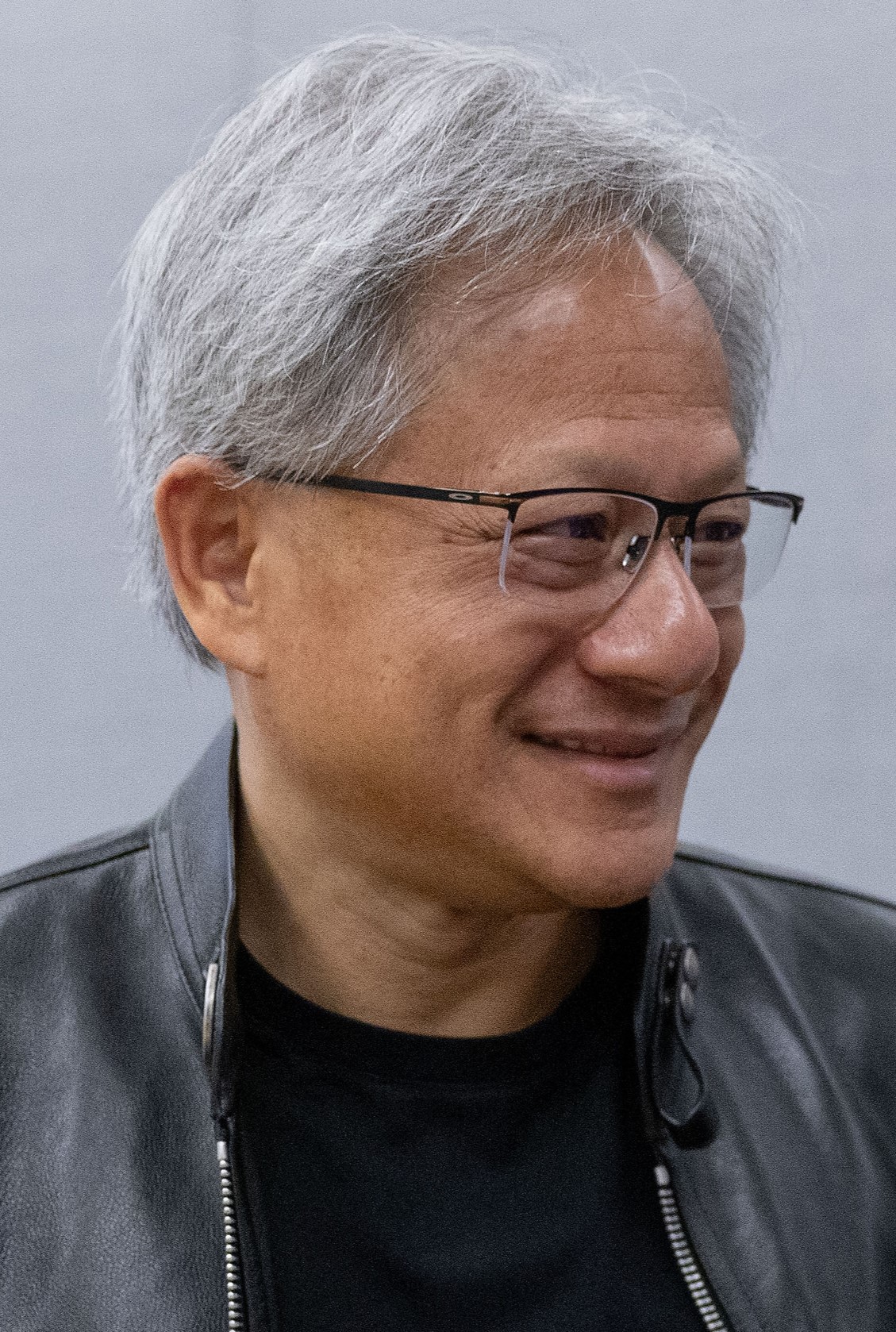
At its GTC Berlin keynote on October 21, NVIDIA CEO Jensen Huang framed AI agents as a new computing platform — and then sold the leash to go with it. The headline item is the NVIDIA OpenShell Reference Architecture, a full-stack hardware-and-software design for building, containing, observing, and enforcing safe AI agents. NVIDIA says it is available now.
“As enterprises prepare to deploy billions of AI agents, safety and control must be built into the computing architecture,” Huang said. The memorable version: “With the OpenShell Reference Architecture, agents can think on Rubin, act on Vera and be governed on BlueField.” NVIDIA lists Anthropic, AWS, Cisco, CrowdStrike, Dell Technologies, Google Cloud, HPE, IBM, Meta, Microsoft, OpenAI, Palo Alto Networks, Perplexity, SAP, ServiceNow, Siemens, and SpaceX Super Intelligence among the companies working with it.
How the leash works
Each chip family gets a job. Vera Rubin NVL72 systems run the models — NVIDIA claims 30x higher throughput per megawatt for agentic workloads, its own number, no independent benchmarks cited. The agent's harness and tool calls run on NVIDIA Vera CPUs, which the company says deliver twice the performance of x86 processors at better energy efficiency, inside the OpenShell secure runtime boundary.
The enforcement layer sits outside both. BlueField-4 data processing units run NVIDIA Sentry, which watches agent behavior out-of-band — from a separate processor — and enforces policy in silicon. NVIDIA says Sentry can quarantine and stop an agent that leaves its software boundary in milliseconds, and that it boosts agent capacity by up to 20%. OpenShell itself is open source under the Apache 2.0 license. The stack runs on Linux (Canonical, SUSE, Red Hat), on Windows via Microsoft Execution Containers, and on AWS, Google Cloud, and Azure, extending to edge systems including RTX Spark, DGX Spark, and DGX Station.
Who is actually signed on
The partner list is what makes this more than a paper architecture. Security vendors 1Password, Check Point, CrowdStrike, Cisco, F5, Fortinet, Microsoft, Okta, Palo Alto Networks, TrendAI, and Zscaler are integrating support. SAP is connecting it to its Joule Studio runtime. ServiceNow announced Arc, its long-running personal agent, as generally available with actions governed by its own control tower and enforced by OpenShell, plus an AI Passport layer that can revoke an agent's access across software and hardware within seconds. Banks BBVA and Santander are exploring the framework. Palantir and NVIDIA are working with customers to deploy secure agents in production.
NVIDIA also announced DSX POD, a modular AI-factory design: complete Vera Rubin systems built by partners inside modular containers, integrated and validated in the factory before delivery. NVIDIA says a prepared site can go from six months of on-site work to as little as 14 days, with deliveries worldwide in early 2027 through partners including Dell, HPE, Lenovo, Foxconn, Schneider Electric, and Vertiv. DSX MaxLPS power software is claimed to produce the same tokens on up to 30% less power, and its dry-cooler designs could save 54 million liters of water a day at 2-gigawatt scale compared with conventional cooling towers. It also announced the Agent Knowledge Foundation for connecting enterprise agents to company data.
The fine print
Every one of those numbers is NVIDIA's own. And The Register, via Tesla News Wire's coverage of the announcement, flagged three catches: it requires NVIDIA hardware, OpenShell still has open security issues on its GitHub, and it collects telemetry by default unless users opt out.
The DSX POD 14-day number assumes a prepared site — one whose power, cooling and networking are ready to connect, per NVIDIA, or "once site utilities are ready," as Futurum puts it — and units do not ship until early 2027. Analysts at Futurum note the harder constraint in Europe is not deployment speed but grid power, which containerization does not fix. Worth knowing before treating the keynote as a shipping product rather than a reference design.