
By Paul Derrington, Jr.
CEO | Chief Engineer | Research Engineer | Editor, D-CSIL
2 min read
Key Takeaways
Meta shipped three Muse updates in two days. Voice conversations with an animated, expressive avatar began rolling out in the US on November 5. Spaces, which build custom trackers and planners from a description, launched November 6. The same day, Meta rolled out better memory and focus to the models behind Muse, trained using its Muse Wonder series. The numbers are Meta's own.
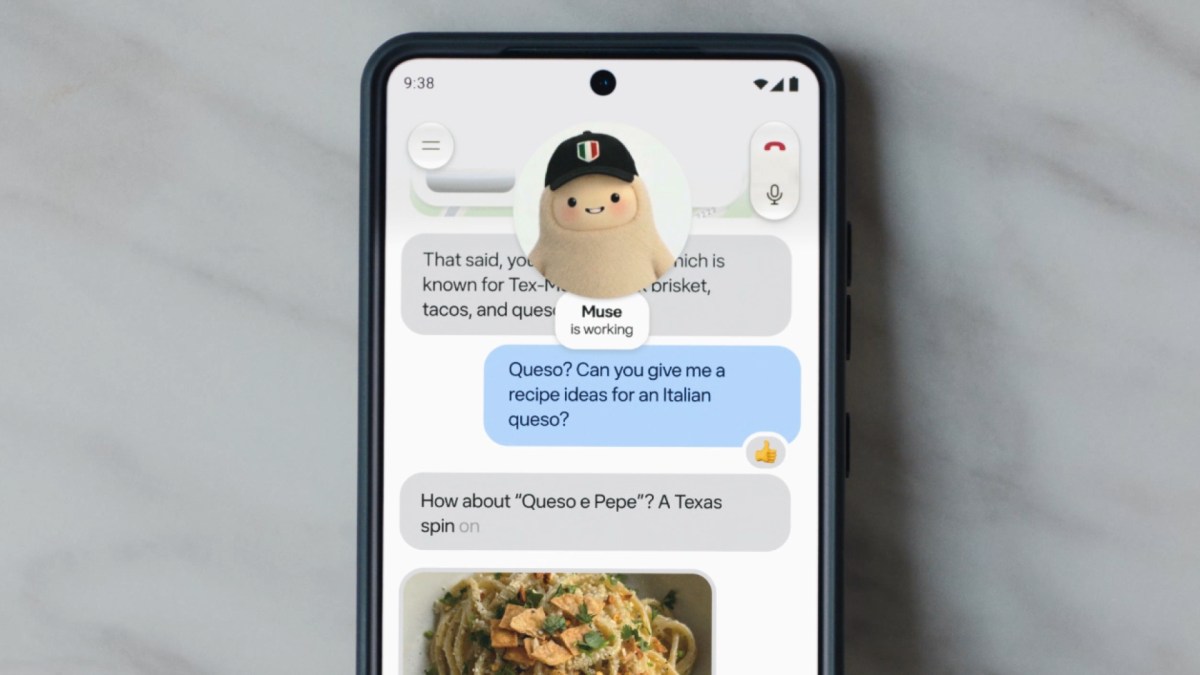
Talk to it now
Tap the phone icon in the top-right of the Muse app and you can talk to Muse in real time, with an animated avatar on screen that reacts as it speaks. There are hundreds of voices to pick from. It works on mobile, web, and Mac. Meta says voice is rolling out now in the Muse app in the US to start. The tech behind it is Muse Realtime Avatar and Muse Realtime Voice.
Voice on Meta's AI Glasses and the Muse Charm wearable is coming soon. GEroundtable reports that Muse also expanded to Mexico. Meta hasn't said when voice reaches users outside the US.
Build your own corner of the app
Spaces, launched November 6, let you describe an idea and have Muse build it into a custom screen inside the app: a holiday gift tracker, a daily word game, a planning board, a school dashboard, or an order tracker for a small business.
You can pin a space to the sidebar, move it into the main tabs, hide it, or schedule when it appears, like a work planner on weekdays only. Spaces stay updated in the background from apps you connect. They're available everywhere Muse is available, starting November 6. Sharing a space with other people isn't possible yet. Meta says it's exploring that.
It forgets less, and keeps going
The same day, Meta started rolling out specialized versions of its existing models to Muse and Meta AI, trained using Muse Wonder, its most capable model series. Two of Wonder's traits come along: Active Memory, which remembers what matters and recognizes when old information becomes relevant again, and Active Focus, which keeps Muse working toward a goal when something unexpected gets in the way.
Meta reports 2.4x less forgetting of critical information. Its evaluation accuracy rose from 76% to 90%, and it reports 67% better completion of everyday tasks with unexpected obstacles. Muse now scores 47% on Meta's Personal Superintelligence Index, up from 38%. Meta said Muse Wonder rolls out first to subscribers. Meta says it is rolling the specialized models out to people who use Muse and Meta AI; the post does not specify plans. All the figures are Meta's own evaluations. The sources reviewed link no independent validation.