TL;DR
Two UK hospitals let a certified AI medical device autonomously discharge patients from urgent suspected-skin-cancer pathways. Across 8,391 patients over 16 months, the AI sent home 31% and 25% of referrals at the two hospitals without a clinician ever looking — saving an estimated 2,851 clinician hours, roughly a 62% capacity gain. Sensitivity topped 98% for the three main skin cancers, but six cancers slipped through and were only caught by post-market surveillance.
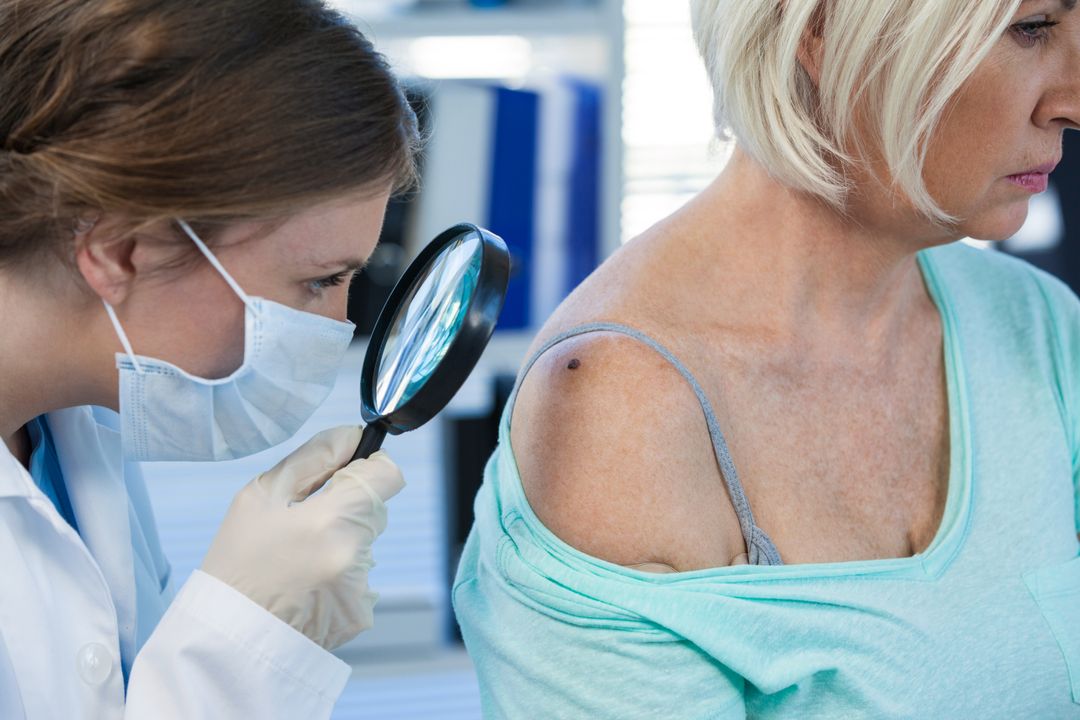
A referral flood with nowhere to go
Urgent suspected skin cancer referrals in England have nearly tripled since 2009, yet only about 6% end in an urgent skin cancer diagnosis. Roughly one in four dermatologist posts in the UK sits unfilled. The result: patients with harmless moles queue alongside people with aggressive melanomas, and the system strains to tell them apart fast enough.
At EADV Congress 2026 in Vienna, lead author Lucy Thomas — a consultant dermatologist at Chelsea & Westminster Hospital NHS Foundation Trust and honorary clinical lecturer at Imperial College London — presented what the team calls the first large prospective dataset of autonomous AI operating inside a cancer pathway: 8,391 patients across two hospitals over 16 months.
The AI sent them home without a doctor
After an initial validation period, a CE-marked Class III AI medical device read clinical and dermoscopic smartphone images and discharged benign cases on its own; higher-risk lesions went to teledermatologists. Uptake was striking: 86% of patients consented to autonomous decision-making, and the pathway covered 94% of urgent suspected skin cancer referrals at the two hospitals.
After exclusions, the AI independently discharged 31% of patients at one hospital and 25% at the other with no clinician review. Teledermatologists discharged a further 24% and 25% respectively. Routine follow-ups fell from 27% to 12% compared with standard teledermatology, and biopsy rates fell from 43% to 27% versus conventional face-to-face care — fewer unnecessary biopsies means less anxiety and lower cost.
The headline math: 2,851 clinician hours saved over 16 months, an estimated 62% gain in capacity, equal to more than 8,500 standard 20-minute face-to-face appointments. “We believe the greatest value of autonomous AI lies not in the technology itself, but in the specialist capacity it unlocks,” Thomas said.
The six it missed
Safety is the whole question with autonomous discharge. In a national dataset including both study sites, the system's sensitivity exceeded 98% for invasive melanoma, squamous cell carcinoma, and basal cell carcinoma, with a specificity of 72.1%. High sensitivity is the metric that matters here — a missed cancer is the worst possible outcome.
Post-market surveillance caught six false negatives discharged by the pathway: five basal cell carcinomas and one melanoma in situ. No adverse outcomes were identified within the available follow-up, but the researchers say the misses prove their central point.
“One of the key lessons for us is that deploying an AI system safely isn't a one-off exercise,” Thomas said. “You need to keep monitoring it, understand when things go wrong, learn from those cases and make sure patients themselves know what to look out for.”
The fine print
The researchers frame this as proof of concept, not a prescription: the findings need replication across larger populations and different health systems before autonomous discharge becomes routine. And the framing is explicit — this is about reallocating scarce specialists, not replacing them.
The disclosures are worth knowing. The study was funded by Chelsea & Westminster Hospital NHS Foundation Trust with a grant from La Roche-Posay, and Thomas sits on the clinical advisory board of Skin Analytics, the company behind the device — called DERM, which the company says is already in use at more than 25 NHS trusts.
The patient angle matters too: 86% consented to AI-only discharge. When the process is explained clearly, most people will trust a machine with the low-risk call.