Edited by Paul Derrington, Chief Editor
TL;DR
At AGNTCon + MCPCon North America in San Jose, the Agentic AI Foundation announced four new hosted projects: Anthropic's Agent Skills, OpenAI's Open Responses, Hugging Face's OpenEnv, and Alibaba's OpenSandbox. The foundation goes from three launch projects in December 2025 to ten in its first year — and the four additions cover the whole agent stack: skills, model I/O, training environments, and sandboxed execution.
What was announced
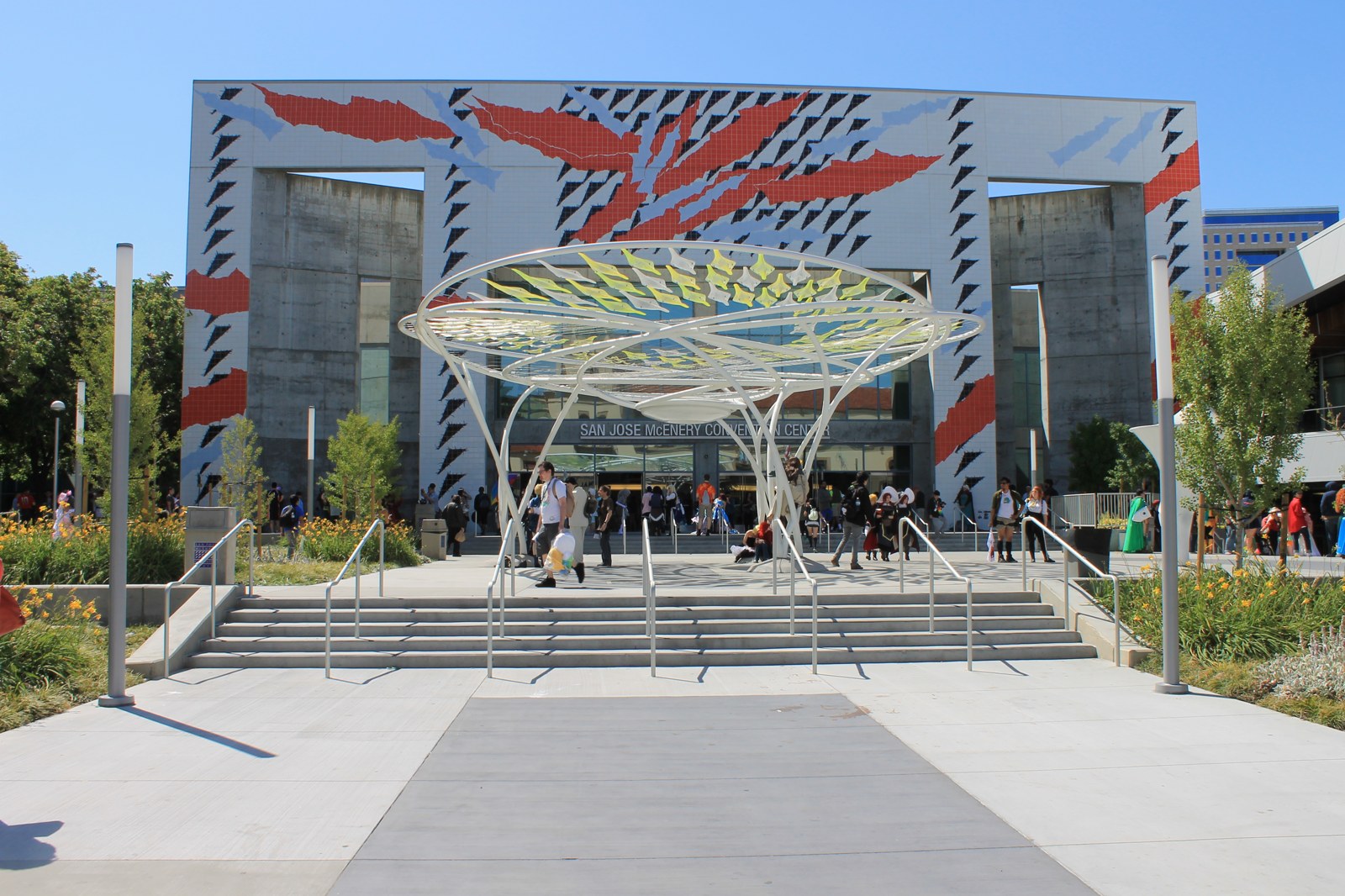
The Agentic AI Foundation (AAIF) announced the four additions on October 22, 2026, at AGNTCon + MCPCon North America, the open agent ecosystem's flagship conference at the San Jose McEnery Convention Center. Each project was contributed by a different company: Agent Skills by Anthropic, Open Responses by OpenAI, OpenEnv by Hugging Face, and OpenSandbox by Alibaba.
The additions bring AAIF from three launch projects in December 2025 to ten hosted projects in its first year. The existing roster includes the Agent2Agent (A2A) protocol, Agent Router, agentgateway, AGENTS.md, goose, and the Model Context Protocol (MCP) — which Anthropic donated to the foundation less than a year ago. AAIF was formed under the Linux Foundation in December 2025, per the Linux Foundation's announcement, and AGNTCon + MCPCon is a Linux Foundation event.
As AAIF CTO and co-founder Manik Surtani put it: “A year ago, AAIF launched with three projects and a bet that agentic AI needed a neutral home to thrive. Today we host 10,” adding that the foundation gives the community “one place to build shared standards, protocols, and infrastructure, with no single company controlling the outcome.”
The four layers of the stack
Agent Skills is the portability layer for know-how: an open format that packages instructions, scripts, and resources so agents can load a capability on demand and carry it across products and platforms. Anthropic's David Soria Parra — co-creator and lead maintainer of MCP — framed the donation as continuity: “Without the right context, even the most intelligent agents fall short. We launched Agent Skills a year ago to give developers and enterprises alike an open standard to make their agents more capable. Today, we're donating Agent Skills to the AAIF to ensure that anyone building with skills can shape what's next.”
Open Responses is the model I/O layer: an open specification for multi-provider, interoperable LLM interfaces, based on OpenAI's Responses API. It defines a shared schema, consistent streaming events, and extensible tooling so developers describe a request once and run it across model providers with minimal translation. Per the announcement, the goal is to describe a request once and run it across providers with minimal translation; the TechToHeart analysis adds that teams could swap models, route by cost or fail over without rewriting their app.
OpenEnv is the training and evaluation layer: an open framework and community hub for reinforcement-learning environments, built as a simple containerized service exposing a familiar agent interface, MCP, and the Gym training protocol that training libraries use. The committee behind it spans Hugging Face, Microsoft, Reflection, Meta-PyTorch, Fleet, Mercor, RadixArk, Modal, Prime Intellect, and others. OpenSandbox is the execution layer: a general-purpose sandbox platform with multi-language SDKs, unified sandbox APIs, and Docker and Kubernetes runtimes for coding agents, GUI agents, agent evaluation, AI code execution, and RL training — plus a sandbox protocol defining lifecycle and execution APIs so teams can add custom runtimes. Alibaba's Xiaobin Xu: “While OpenSandbox was created at Alibaba, we don't want its future to be defined by a single company.”
Why builders should care
The practical shift is toward swappable parts instead of vendor-shaped parts. Today, building an agent stack usually means one provider's request format, hand-rolled tool adapters, and workflows buried in vendor-specific prompt code. The AAIF bet is that skills, model I/O, tool access (via MCP), environment measurement (via OpenEnv), and execution boundaries (via OpenSandbox) become interfaces you can version and migrate — like the rest of modern infrastructure.
That means teams can audit where lock-in actually lives: put external tools behind MCP, package repeatable procedures as versioned skills, and route model calls through the Open Responses shape so a price hike, latency change, or policy shift doesn't force a rewrite. The catch flagged in independent analysis of the announcement: portable skills are also software supply-chain objects — a skill can bundle executable code, so treat unvetted ones as untrusted, review and sign them, and run anything executable inside a sandbox like OpenSandbox.
What to watch
Adoption is the real test. Not every vendor has converged on the same shapes, so expect a partial-alignment phase where shared standards, adapters, and native APIs coexist — and standards bodies move slower than frontier products, so the spec can lag the platform. The practical response is to watch the governance process as closely as the product releases.
For builders, the actionable move now is modest: audit your current agent dependencies for vendor-specific SDKs and one-off tool adapters, and start designing the seams — model routing, tool connectivity, workflow packaging, execution isolation — as swappable interfaces rather than one vendor's bet you have to defend forever.